Texas Hail Damage and Storm Repair Guides for Homeowners
Texas hailstorms cause significant roof damage every year, especially in cities like Dallas, Fort Worth, Austin, Houston, and San Antonio. When severe thunderstorms produce hail, homeowners often have questions about inspections, insurance claims, and repair options. This Texas hail damage roof guide helps homeowners understand the most common forms of roof damage caused by hailstorms and severe Texas weather.
This Texas hail damage roof guide explains how hail affects roofing materials, how to identify storm damage, and when a professional inspection may be necessary. Understanding how hail impacts asphalt shingles and other roofing systems can help homeowners respond quickly after a storm.
Below you will find several detailed guides covering common hail damage questions, including how much hail damage requires roof replacement, what hail damage looks like on shingles, and when insurance claims should be filed after a storm.
Our Storm Damage Guide provides helpful information about identifying storm damage, understanding insurance coverage, and knowing when to schedule a professional inspection after a storm.
Understanding Texas Hail Damage and Roof Inspections
Texas experiences some of the most severe hailstorms in the United States. Large hailstones produced by strong thunderstorms can cause significant damage to roofing materials, gutters, siding, and vehicles. Homeowners across cities like Dallas, Fort Worth, Austin, Houston, and San Antonio frequently deal with hail-related roof damage after major storms.
Understanding how hail impacts asphalt shingles and other roofing systems is essential for protecting your home. Even smaller hailstones can bruise shingles and weaken the protective granule layer that shields your roof from water intrusion. Over time, this damage can lead to leaks and structural problems if not addressed.
This Texas hail damage roof guide provides homeowners with detailed resources explaining how to identify hail damage, when to schedule roof inspections, and how insurance claims work after severe storms.
Common Signs of Hail Damage on Roofs
After a hailstorm passes through your neighborhood, it is important to look for possible signs of storm damage. Some forms of hail damage may not be immediately visible from the ground, which is why professional inspections are often recommended after severe storms.
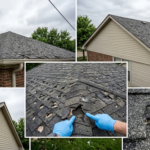
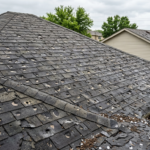
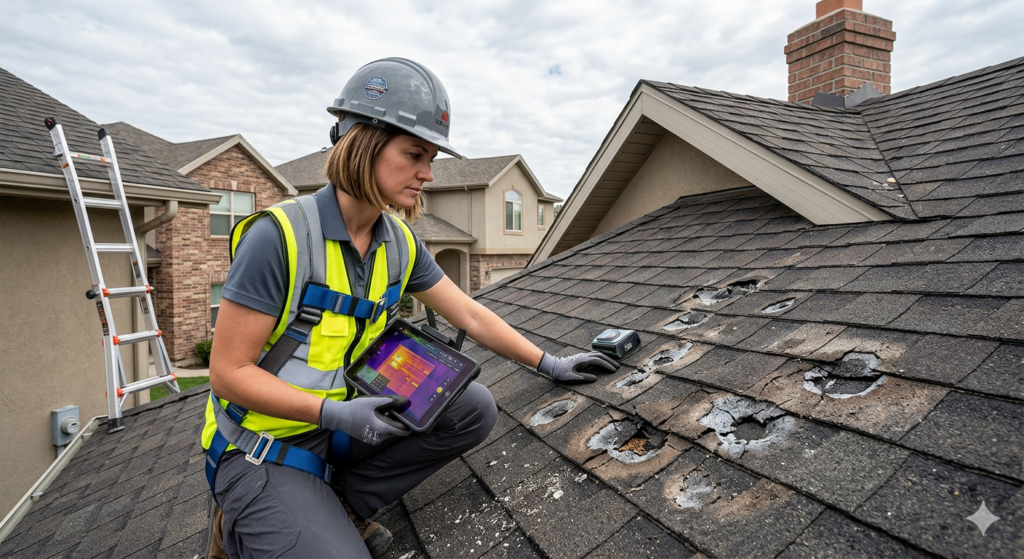
Common signs of hail damage include missing or displaced shingle granules, dark impact marks on shingles, cracked or split shingles, dented roof vents, and damage to gutters or downspouts. Homeowners may also notice dents in metal surfaces such as flashing, HVAC units, or vehicles parked outside during the storm.
Reviewing storm reports and radar activity can help determine whether hail-producing thunderstorms moved across your area and whether your property may have been impacted.
Texas Hail Damage Resources for Homeowners
After severe thunderstorms move across Texas, homeowners often need reliable information about hail damage, insurance claims, and roof inspections. The articles below provide detailed explanations of common hail damage questions, including how to recognize roof damage, when hail damage requires roof replacement, and how insurance claims typically work after a storm.
These guides are designed to help homeowners make informed decisions after hailstorms impact their area. By understanding how hail affects roofing materials and how storm inspections work, residents can respond quickly and protect their property from further damage.
Why Hail Damage Inspections Are Important
Even moderate hailstorms can cause hidden roof damage that may not be immediately visible from the ground. Hail impacts can weaken shingles, displace protective granules, and create small fractures that allow water to penetrate roofing materials over time.
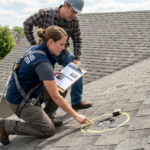
Professional roof inspections after severe storms help identify damage early before leaks or structural issues develop. Many homeowners schedule inspections after hail reports appear in their area or after radar shows severe thunderstorm activity moving directly over their neighborhood.
How Texas Hailstorms Cause Roof Damage
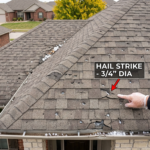
Texas hailstorms often develop during powerful spring and summer thunderstorms. These storms can produce hailstones ranging from pea size to golf ball size or larger, depending on storm intensity and atmospheric conditions. When hailstones strike roofing materials, the impact can crack shingles, loosen protective granules, and weaken the structural integrity of the roof.
Even when damage is not immediately visible, repeated hail impacts can shorten the lifespan of roofing materials. Over time, compromised shingles may allow water to penetrate the roof system, leading to leaks and interior damage. This is why many homeowners choose to schedule roof inspections after hailstorms are reported in their area. Official hail and severe storm reports can also be monitored through the National Weather Service Storm Prediction Center.
Helpful Guides for Texas Hail Damage and Roof Inspections
This Texas hail damage roof guide includes several detailed resources that explain how hailstorms affect roofing materials and what homeowners should do after severe weather. Each guide below answers common questions about hail damage inspections, roof replacement decisions, and insurance claims after storms.
By reviewing this Texas hail damage roof guide, homeowners can better understand how hail impacts asphalt shingles, how to recognize storm damage, and when professional inspections may be necessary after major Texas thunderstorms.