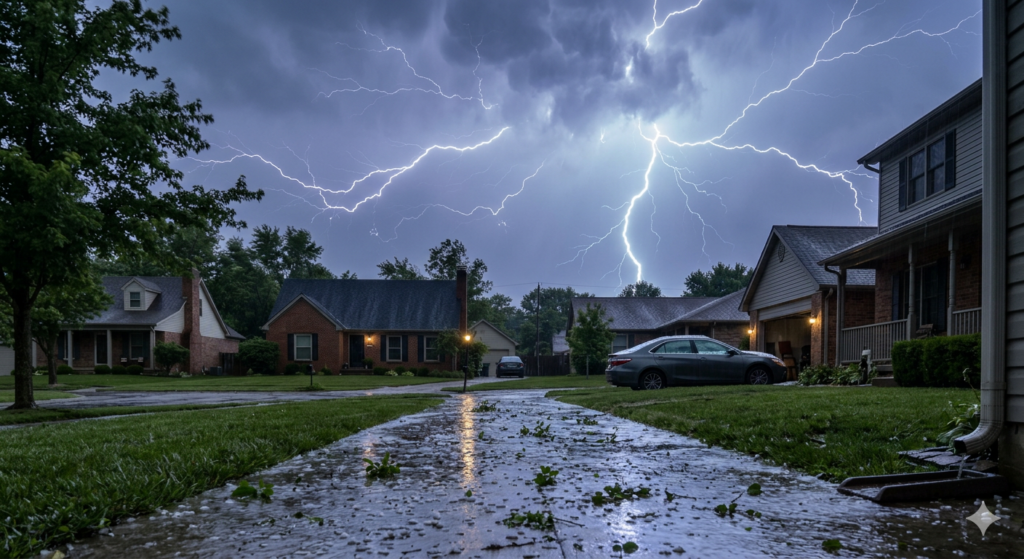
Recent Storm Reports Across Texas
The Texas storm reports today page helps homeowners monitor severe weather activity and storm damage reports across the state. By reviewing recent storm reports, residents can identify areas where hailstorms, damaging winds, or severe thunderstorms may have occurred.
Storm reports often include information about hail size, wind damage, downed trees, and other severe weather events. Checking storm reports after a major weather system moves through Texas can help homeowners determine whether their neighborhood may have experienced conditions capable of causing roof or property damage.
Cities such as Dallas, Fort Worth, Houston, Austin, and San Antonio frequently experience severe thunderstorms that can produce hail and damaging winds. Monitoring storm reports allows residents to quickly respond after severe weather passes through their area.
Severe Storm Damage Reports in Texas
Storm reports across Texas frequently include information about hail damage, damaging winds, heavy rainfall, and severe thunderstorms. Large hailstones can crack asphalt shingles, dent gutters, and damage vehicles, while strong wind gusts can tear shingles from roofs and cause tree damage.
Reviewing Texas storm reports today can help homeowners determine whether severe weather conditions passed through their area. If hail or damaging winds were reported nearby, it may be a good time to inspect your roof, siding, and other exterior structures for potential storm damage.
Monitoring storm reports and radar data allows residents to respond quickly after severe weather events and address damage before it leads to larger structural issues.
Texas Storm Reports Today for Major Cities
Severe storms frequently impact major metropolitan areas across Texas. Cities such as Dallas, Fort Worth, Houston, Austin, and San Antonio regularly experience thunderstorms capable of producing hail, damaging winds, and heavy rainfall.
Checking Texas storm reports today can help homeowners determine whether their city or neighborhood experienced severe weather conditions. Storm reports often include hail size measurements, wind damage observations, and other severe weather information reported by trained spotters and weather stations.
After a strong storm system moves through a metro area, reviewing storm reports can help residents decide whether they should inspect their roof or property for possible damage.
Texas Hail Damage Roof Guide
If storm reports show hail activity near your location, it is important to understand how hail can impact roofing materials and other exterior surfaces. Hailstorms can damage asphalt shingles, dent metal roofing components, and weaken protective granules that prevent water intrusion.
Homeowners can learn more about identifying hail damage and understanding roof inspection recommendations in our detailed Texas hail damage roof guide.
How Storm Reports Help Identify Property Damage
Reviewing Texas storm reports today can help homeowners understand whether severe weather conditions occurred near their property. Storm reports often document hail size, damaging wind gusts, and other weather observations that may indicate potential roof or property damage.
By analyzing storm reports along with radar data, residents can identify areas where hailstorms or strong thunderstorms were most intense. This information can help homeowners determine whether they should inspect roofing materials, gutters, siding, or vehicles for signs of storm damage.
Additional severe weather information and official storm reports can also be monitored through the National Weather Service Storm Prediction Center, which tracks thunderstorms, hail reports, and severe weather alerts across the United States.
Texas Storm Reports FAQ
Where can I see storm reports in Texas today?
You can review Texas storm reports today by checking radar data, storm report maps, and weather service updates that track severe thunderstorms, hail reports, and wind damage across the state.
What information do storm reports include?
Storm reports often include details such as hail size measurements, wind damage observations, downed trees, lightning activity, and flooding. These reports are typically submitted by trained weather spotters, emergency responders, and meteorologists monitoring severe weather events.
Why should homeowners check storm reports?
Checking Texas storm reports today helps homeowners determine whether severe weather conditions occurred near their property. If hail or damaging winds were reported in your area, it may be a good idea to inspect your roof, siding, and other exterior structures for potential storm damage.